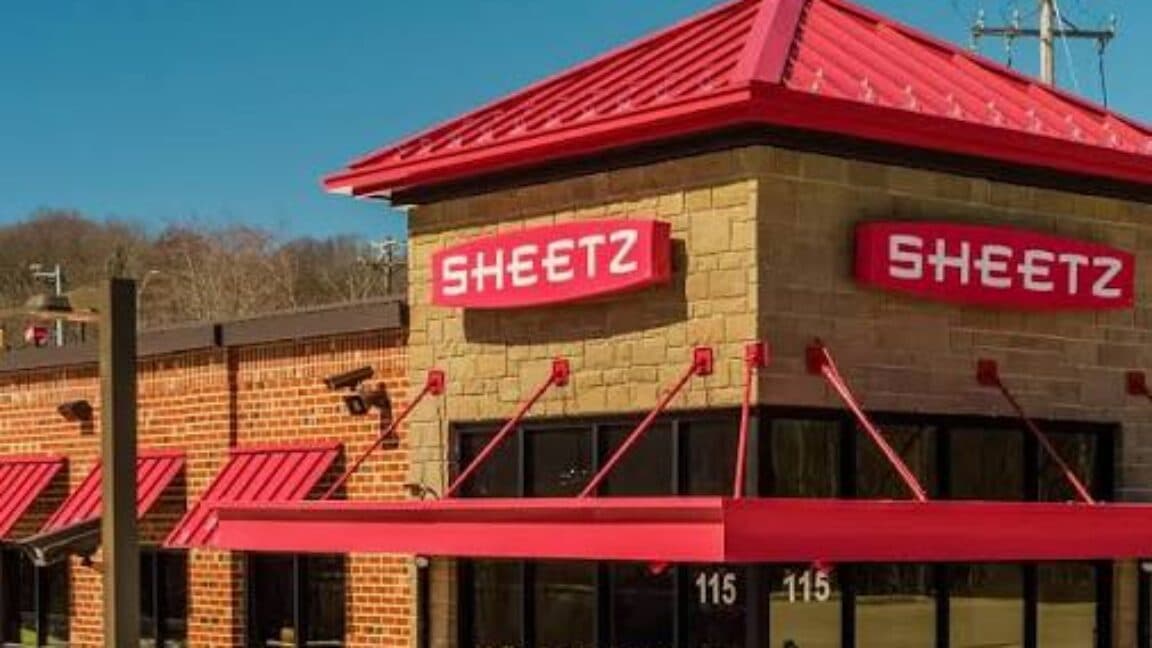
Sheetz is quitting VMware, migrating 11,000 virtual machines
Latest coverage from Ars Technica on future-tech.
WhatIsFuture AI Editor
Contributor
In the high-stakes world of enterprise IT, a quiet rebellion has been brewing ever since Broadcom finalized its acquisition of VMware. What began as corporate anxiety over licensing changes has now escalated into active, large-scale migration. In a striking validation of this industry-wide shift, Sheetz, the major mid-Atlantic convenience store and fueling chain, is executing a monumental migration of over 11,000 virtual machines (VMs) away from VMware. This is not merely a routine software update; it is a massive, highly complex infrastructure overhaul that signals a deeper structural realignment in how modern enterprises manage their data, applications, and digital futures.
This bold operational pivot represents a watershed moment for the future of technology. For years, VMware was the undisputed gold standard of virtualization technology, deeply embedded in the server closets and data centers of global enterprises. However, as licensing costs skyrocket and corporate strategies shift toward agility, companies are realizing that legacy software monopolies are no longer untouchable. By moving 11,000 VMs, Sheetz is proving that even massive, risk-averse organizations can break free from vendor lock-in, paving the way for a more decentralized, open-source, and cost-effective digital ecosystem.
The Broadcom Shockwave and the Enterprise Backlash
To understand why a retail and fueling giant would undertake the immense operational risk of migrating thousands of workloads, one must look at the seismic changes introduced by Broadcom. Following its $61 billion acquisition of VMware, Broadcom rapidly restructured the virtualization pioneer's business model. It eliminated perpetual licenses, transitioned entirely to subscription-based bundles, and discontinued free versions of its hypervisor. For many enterprise IT departments, this resulted in overnight cost increases ranging from double to, in some extreme cases, tenfold their previous budgets.
For an organization like Sheetz, which operates hundreds of locations requiring continuous, low-latency uptime for point-of-sale systems, supply chain logistics, and back-office operations, these pricing shifts presented a severe financial and strategic threat. Enterprise infrastructure is no longer just a utility; it is the foundation upon which modern customer experiences are built. When a technology provider shifts from being a collaborative partner to a margin-extracting bottleneck, forward-thinking CIOs have no choice but to seek alternative pathways to ensure long-term operational viability.
Navigating the Alternatives: Open-Source and Hybrid Ecosystems
Replacing VMware is not as simple as flipping a switch. It requires a meticulous evaluation of alternative hypervisors and cloud migration strategies. Organizations looking to escape the VMware ecosystem are increasingly turning to a mix of open-source software, public cloud platforms, and specialized enterprise virtualization alternatives like Nutanix AHV, Microsoft Hyper-V, and Red Hat Virtualization. By leveraging KVM-based (Kernel-based Virtual Machine) architectures, companies can achieve comparable performance and reliability without the burdensome licensing overhead.
"The migration of thousands of legacy virtual machines is no longer the manual, multi-year nightmare it once was. Today's AI-driven IT operations and automated discovery tools allow enterprises to map complex application dependencies and port workloads to alternative hypervisors with unprecedented speed, minimal downtime, and drastically reduced human error." — Dr. Aris Thorne, Principal Cloud Infrastructure Architect at FutureTech Advisory
Furthermore, this migration wave is accelerating the adoption of containerization. Rather than simply performing a "lift-and-shift" of old virtual machines to a new hypervisor, progressive companies are using this disruption as an opportunity to modernize their applications. By breaking monolithic VMs down into lightweight microservices managed by Kubernetes, enterprises are achieving greater scalability, faster deployment times, and native compatibility with modern hybrid cloud environments.
Edge Computing and the AI-Ready Infrastructure
For retail and hospitality brands, the physical store is the new frontier of technology. The rise of edge computing—processing data close to where it is generated rather than sending it all to a centralized cloud—is critical for running real-time analytics, IoT sensors, and smart inventory systems. Sheetz’s migration of 11,000 VMs highlights the unique challenges of managing distributed IT infrastructure across hundreds of physical locations. In these edge environments, bloated, expensive software stacks are a liability.
As we march toward a future dominated by artificial intelligence, having a lean, agile infrastructure is paramount. Localized AI-driven computer vision, automated checkout systems, and predictive supply chain algorithms require highly efficient edge virtualization. By shedding the weight of legacy VMware contracts, enterprises can reallocate capital and engineering talent toward deploying AI-driven IT operations and advanced machine learning models at the edge. The companies that win the next decade will not be those with the most virtual machines, but those that can process data and execute AI workloads with the greatest efficiency and lowest cost.
Key Strategic Implications for the Future of IT
The Great VMware Exodus, exemplified by Sheetz’s massive migration, carries profound implications for the broader technology sector. As organizations reassess their infrastructure partnerships, several key trends are set to define the next era of enterprise computing:
- The Democratization of Virtualization: The monopoly of proprietary hypervisors is crumbling, giving rise to robust, enterprise-grade open-source alternatives that offer greater flexibility and lower total cost of ownership.
- Accelerated Cloud Repatriation and Hybrid Models: Companies are realizing that neither a 100% public cloud nor a 100% on-premises strategy is optimal; instead, they are investing in highly customizable hybrid cloud strategies.
- Integration of AI-Driven Migration Tools: The complexity of moving tens of thousands of workloads is being mitigated by machine learning algorithms that automate testing, mapping, and deployment during migrations.
- A Shift Toward Containerization: The traditional virtual machine is increasingly giving way to lightweight containers, allowing for rapid application deployment across diverse hardware environments.
- Vendor Diversification: CIOs are actively avoiding single-vendor lock-in, designing their IT architecture to be vendor-agnostic from the ground up to prevent future pricing shocks.
The Bottom Line
Sheetz’s decision to migrate 11,000 virtual machines away from VMware is a powerful reminder that in the fast-evolving technology landscape, complacency is the ultimate risk. By refusing to accept predatory licensing models, Sheetz has demonstrated that large-scale infrastructure agility is not only possible but necessary for long-term survival. As open-source software, edge computing, and AI-driven automation continue to mature, the power dynamic in enterprise IT is shifting decisively back into the hands of the buyers. The era of the proprietary software monopoly is drawing to a close, ushering in a more competitive, innovative, and resilient future for global technology infrastructure.
Supercharge Your Workflow with Claude AI
The AI assistant used by 100K+ professionals. Write, code, analyse — all in one place.